You know you want a second home on 30A, but which Santa Rosa Beach neighborhood actually fits your life? With so many pockets along the coast and bay, it can be hard to compare walkability, boating, amenities, and budget in a clean way. This guide breaks the area into easy categories so you can choose with confidence, understand costs and rules, and plan a smart tour. Let’s dive in.
How Santa Rosa Beach is laid out
Santa Rosa Beach stretches along Scenic Highway 30A and reads like a string of distinct beach and bay communities. Think village centers on the Gulf, master-planned resorts, artsy Old-Florida pockets, and bayfront streets with private docks. You will feel real differences block to block, so mapping lifestyle first is key. For a quick overview of area character and neighborhoods, start with the official visitor resource at Visit South Walton.
The corridor runs east to west, which means minutes matter more than miles. Many second-home owners choose based on how fast they can walk or bike to a town square or reach everyday retail. Watersound Town Center, for example, adds grocery convenience right on US-98 near 30A’s east end, including a Publix at the center listed on LoopNet.
Start with lifestyle tradeoffs
Gulf or bay orientation
- Gulf-front or Gulf-side gives you quick beach access, daily shoreline walks, and strong resale premiums for direct frontage. Expect higher purchase prices, more stringent building standards, and potential flood and wind considerations.
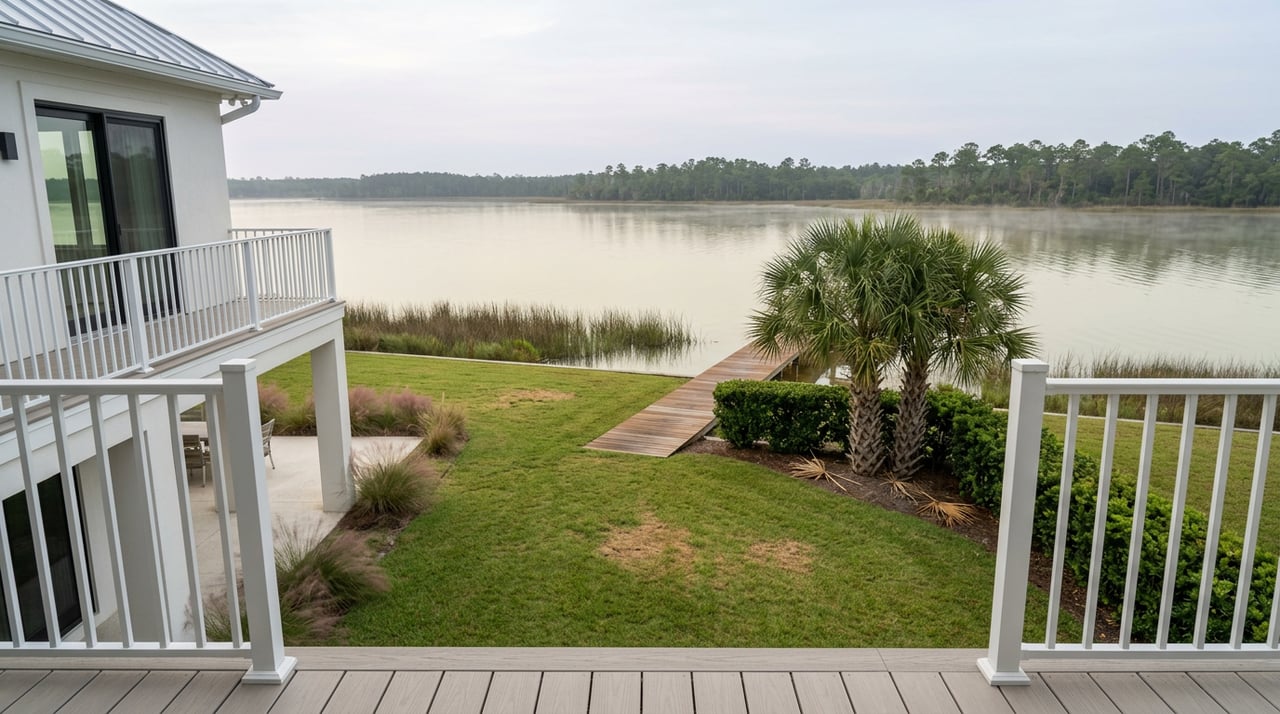
- Bayfront brings calmer water, larger lots in many areas, and the ability to have a private dock where permitted. You trade instant Gulf sand access for boating, paddle sports, and big-sky sunsets.
Walkability or privacy
- If you want to park the car and stroll to dining and shops, the village cores are your best bet. Seaside, Rosemary Beach, and the centers of select planned communities are the most walkable.
- If you prefer quiet lanes, larger setbacks, and low-key nights, look at Old-Florida pockets or bayfront streets that feel more residential.
Resort amenities or flexible ownership
- Master-planned communities often include beach clubs, pools, boathouses, on-site dining, and bike lanes. Owners accept HOA fees and community rules in exchange for a turnkey resort lifestyle.
- Outside of those, you may find fewer amenities but more flexibility around parking, golf carts, and guest use. Always confirm HOA and neighborhood rules before you buy.
Nature at your door
- Nature-focused buyers prize access to dune lakes, state parks, and trails. Grayton Beach State Park centers on Western Lake with easy paddling access and beach boardwalks. Explore park amenities via Grayton Beach State Park’s official page.
- Beyond the beaches, Point Washington State Forest and the 30A multi-use trail offer hiking and biking under the pines.
Boating details to verify
- If a private dock is on your must-have list, confirm deeded rights, water depth at low tide, and bridge clearances for your vessel class.
- For public launches around Santa Rosa Beach, use this local boat ramp directory.
Neighborhood snapshots along 30A
Gulf-front new-urbanist villages
- Seaside: Iconic, walkable, and compact. You get a true town square, mixed retail and dining, and classic cottages near the beach. It is ideal if you want a daily stroll culture and minimal car time.
- Rosemary Beach: Polished streetscapes with upscale restaurants and shops within easy reach of the sand. Great for a refined village vibe with curated design and amenities nearby.
- Alys Beach: Striking white-stucco architecture and tight design standards. Quiet, upscale, and highly walkable for buyers who want a cohesive, visually consistent community.
Master-planned resort communities
- WaterColor: Amenity-rich with pools, trails, and a boathouse on Western Lake. You can bike to town and the beach while enjoying a cohesive resort feel.
- Watersound: Emerging town center convenience, planned amenities, and access to beach and trails. The broader node includes grocery services, including a Publix at Watersound Town Center, which helps with year-round basics.
What to know: These communities often have clear rules around wristbands, parking, golf carts, and whether short-term rentals are allowed. Many owners choose them for low-effort living and management compatibility.
Old-Florida pockets and state-park adjacency
- Grayton Beach: Eclectic and artsy with immediate access to Western Lake and the Gulf inside the state park. Great for buyers who want nature out the door with a laid-back, local feel. Check park access details on the Grayton Beach State Park site.
- Seagrove and Blue Mountain Beach: A blend of older cottages and newer builds along quieter stretches. These areas deliver classic 30A character and can offer easier parking compared to the busiest village cores.
Bayfront and inland waterfront
- Bay Circle Drive, Driftwood Point, Seclusion Bay and similar streets along Choctawhatchee Bay attract boaters who value private docks and larger lots. You trade gulf-front premiums for calmer water, privacy, and sunset views.
- Deep-water access and shoreline type vary by parcel. Always verify dock permissions, depth, and shoreline conditions during due diligence.
Practical inland Santa Rosa Beach
- North of 30A and near US-98, you will find larger homesites, easier access to grocery and services, and generally lower cost per square foot than immediate gulf-side locations.
- This is a smart fit if you want a second home that can flex into longer stays without living inside a resort hub.
Cost and ownership basics for second-home buyers
Market snapshot
Zillow’s Home Value Index shows a typical Santa Rosa Beach home value around $848,079 as of January 31, 2026. Neighborhood, lot type, and Gulf or bay orientation can move you far above or below that figure. View the live index on Zillow’s Santa Rosa Beach page, and always pair it with current MLS data when you are ready to write offers.
Short-term rental registration
If you plan to rent, Walton County requires annual short-term vacation rental registration. The county outlines application steps, inspections, fees, and penalties. Review the official process at Walton County’s STR Requirements. Your HOA or condo rules also apply, so confirm both before you project revenue.
Tourist Development Tax
Most properties south of Choctawhatchee Bay, including the 30A corridor, are in a 5 percent Tourist Development Tax district. North-of-bay districts can differ, often 3 percent. Platforms do not always remit local TDT for you. Learn how districts work and register with the Clerk at the Walton County TDT page.
HOA and community rules
Rules can include guest wristbands, occupancy and parking caps, golf-cart guidelines, and short-term rental allowances or limits. Request the full HOA documents, rental policies, and any special assessments when you start looking. These details can shape both your lifestyle and your net rental yield.
Flood, wind, and insurance
Flood zone, elevation, and construction standards affect premiums and long-term risk. Walton County’s floodplain page links to FEMA maps and outlines county programs that may produce premium discounts. Start your due diligence with Walton County Floodplain Management and get quotes during your inspection window.
Hurricane season runs June 1 through November 30. Know your evacuation zone and sign up for local alerts. For season context and storm updates, use the National Hurricane Center.
A quick decision checklist
Use this to narrow your short list fast.
- Orientation: Do you want sugar-sand Gulf access or calm bay water for boating and sunsets?
- Walkability: Is a village core with shops and dining a priority, or do you prefer a quieter, residential street?
- Amenities: Buying for rental income or private use? If rental is part of your plan, review Walton County’s STR Requirements and the Walton County TDT page before modeling revenue.
- Flood and insurance: Pull FEMA maps, request any elevation certificates, and get flood and wind quotes. Start at Walton County Floodplain Management.
- Boat ownership: List your preferred public ramps and the nearest marina. If a private dock is required, verify deeded rights and water depth at low tide. Use the local boat ramp directory to plan access.
- Touring plan: Drive or bike 30A to feel distances and crowds, request HOA rental and parking rules from the listing agent, and line up insurance quotes while you evaluate offers.
How to tour like a local
- Block your tour by lifestyle zones first: village cores, master-planned resorts, Old-Florida pockets, bayfront, and inland practical areas.
- Visit at different times of day. Morning and sunset will show you how you will actually use the beach, paths, and roads.
- Park once and walk. In walkable villages, a 10-minute loop will tell you more than a 3-mile drive.
- On bayfront streets, look for dock types, shoreline conditions, and water movement during tide changes.
- Capture HOA, STR, and TDT questions in a single checklist. You will save hours when comparing homes.
Ready to find your 30A fit with local guidance and a streamlined plan? Connect with Garrett Bode to map neighborhoods to your lifestyle, preview on-market and private options, and start your beach search.
FAQs
What are the most walkable Santa Rosa Beach neighborhoods for a second home?
- Seaside, Rosemary Beach, and select master-planned village centers offer the strongest walkability to dining, shops, and the beach.
How do Gulf-front and bayfront homes compare for second-home buyers?
- Gulf properties deliver direct beach access and strong resale potential, while bayfront homes favor boating, private docks where allowed, and larger lots with sunset views.
Do I need to register my second home if I plan short-term rentals?
- Yes. Walton County requires annual STR registration, and your HOA or condo rules also apply. Review the county’s process before modeling rental income.
What is the current typical home value in Santa Rosa Beach?
- Zillow’s index shows a typical value around $848,079 as of January 31, 2026, with wide variation by neighborhood, lot, and Gulf or bay orientation.
What should I check for flood and insurance when buying near 30A?
- Confirm the FEMA flood zone, request any elevation certificate, and get flood and wind quotes during due diligence. Factor these into total ownership costs.
Where can I find everyday shopping near 30A if I do not want to drive far?
- Village centers cover dining and basics, and Watersound Town Center adds convenient grocery access near 30A’s east end for year-round needs.