Wondering if a condo or townhome will perform better as a Panama City Beach rental? You are not alone. With strong summer demand and shifting guest profiles by season, picking the right asset type can make or break your returns. In this guide, you will learn how condos and townhomes compare on financing, HOA rules, amenities, operations, and guest expectations in PCB. You will also get sample strategies for weekend-focused and peak-summer rental plans. Let’s dive in.
PCB rental landscape: seasonality and rules
Panama City Beach is a seasonal market. Spring break and summer bring the highest demand and strongest nightly rates. Shoulder seasons attract 3 day and long weekend leisure travelers, while off season occupancy and rates are softer. Your property choice should match the season and stay patterns you want to target.
You will also want to confirm local requirements before you buy. Many Florida beach cities and counties require short term rental registration or permits, and PCB investors should verify any Bay County and City of Panama City Beach rules that apply to your address. Confirm transient or tourist tax responsibilities, occupancy limits, noise and parking ordinances, and any special rules for beachfront or high rise buildings.
Because much of PCB sits in FEMA flood zones, flood insurance is often required by lenders and may be required or strongly encouraged by HOAs. Check elevation, flood zone, and local coastal construction standards as part of your analysis.
Financing and insurance: condo vs townhome
Financing and coverage are not the same for condos and townhomes. Understanding the differences upfront can save time and money.
How lenders view each property
- Condos often require project approval by the lender. Underwriting reviews owner occupancy ratios, HOA reserves, insurance, pending litigation, and rental concentration. These steps can slow financing or require larger down payments and higher rates for investors.
- Townhomes are often treated like single family attached dwellings. Investor loans can be more straightforward because there is less project level scrutiny.
Loan programs and eligibility
- Conventional investor loans typically require higher down payments than owner occupant programs. Expect different qualifying ratios and pricing.
- FHA and VA loans have condo approval lists and rules. If a condo project is not approved, FHA or VA buyers may not qualify. Many townhomes are eligible if they meet program guidelines.
- Cash is common among vacation rental investors who want to avoid condo project hurdles and higher loan costs.
Insurance distinctions that affect cash flow
- Condos usually have a master policy that covers the building exterior and common areas. You carry an HO 6 policy for the interior, personal property, loss assessment, and any portion of the master deductible you are responsible for. Always verify the master policy deductible and how wind or flood losses are allocated.
- Townhomes often require the owner to insure the structure plus contents, similar to an HO 3 single family policy. Coastal insurable values and premiums can be higher due to wind and flood exposure.
- Flood insurance is common in PCB. Premiums vary by zone and elevation, so secure quotes early.
Action steps for a clean closing
- Get a lender checklist at the start and confirm condo project approval needs if you are buying a condo.
- Request the HOA master insurance policy, reserve study, and financials.
- Obtain wind and flood insurance quotes for the specific unit and community.
HOA fees, rules, and amenities
The HOA structure will shape your guest experience, your operating costs, and your flexibility to rent.
Condos: convenience and control
- Larger condo HOAs typically cover exterior, roof, elevators, pools, landscaping, and parking lots. Fees are often higher because they bundle shared amenities and master insurance.
- Rental rules are usually stricter. Many associations require minimum stays, guest registration, limits on short term rentals, advertising rules, parking and pet policies, and fines for violations.
- Special assessments for capital repairs are not uncommon. These can affect cash flow, so review history and reserves.
Townhomes: space and flexibility
- Townhome communities may have smaller HOAs or a master association. Fees can be lower than high rise condos, but coverage varies. Some include roofs or exteriors, many do not.
- Rental rules can be more flexible than in large condo towers, yet many townhome CC&Rs still limit short term rentals. Always confirm the declaration.
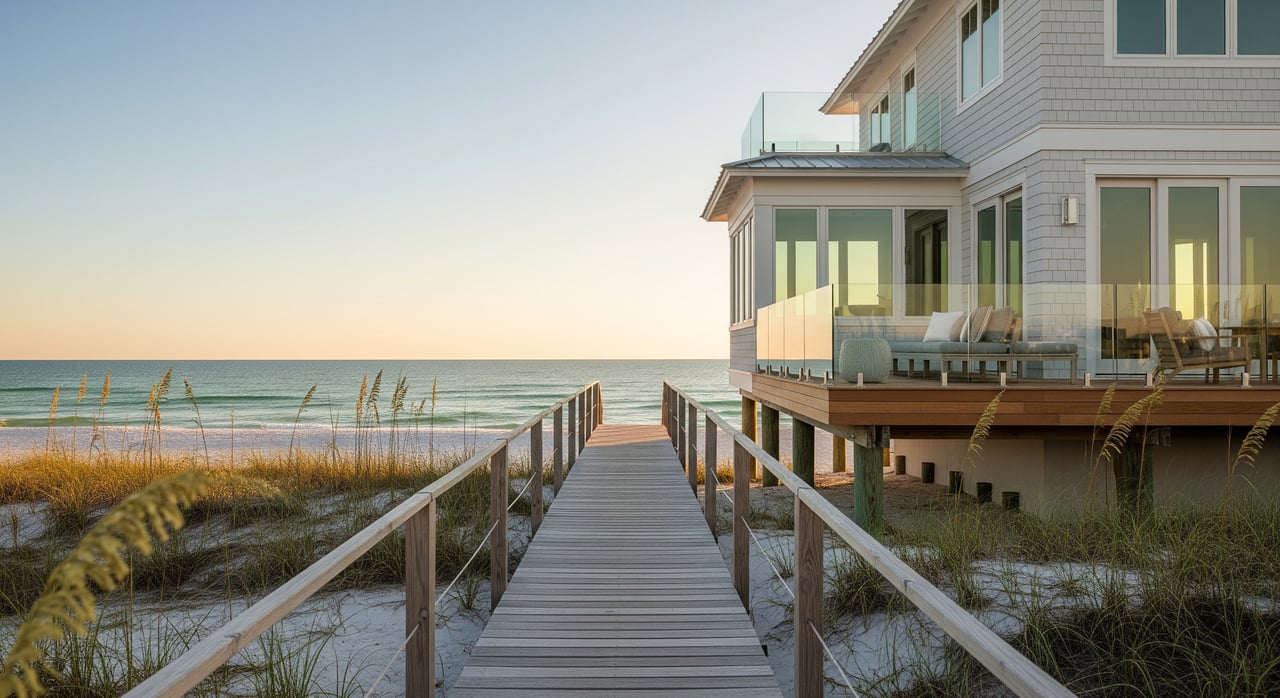
- Private garages, driveways, and more living space are common draws for families and multi week guests.
What to audit in HOA documents
- Rental policy specifics. Minimum stay, any cap on the number of rentals, registration, and enforcement.
- Insurance coverage and deductibles. Know what the master policy covers and where owners are liable.
- Reserves and financial health. Check delinquency rates, the reserve study, recent or planned special assessments, and meeting minutes.
- Litigation status. Pending suits can complicate financing and future assessments.
- Parking details and guest rules. Parking is critical in PCB, especially near the beach.
Operations and guest expectations
Your operating plan should align with both the property type and PCB’s seasonal rhythm.
Turnover timing and staffing
- Short stays and same day check outs require reliable cleaners, keyless entry, and fast communication.
- Typical cleaning windows vary by size. A small one bedroom unit may need 2 to 4 hours. A larger townhome can require 4 to 8 plus hours, especially in peak season.
- Summer weekends and spring break strain staffing and supply chains. Book cleaning and linen providers well in advance.
Cost drivers you can plan for
- Cleaning fees are often passed to guests, but market tolerance depends on your nightly rate.
- Linen and laundry add up with frequent turns. Many owners use linen service contracts to keep standards consistent.
- Property management models vary. Vacation managers commonly charge a percentage of booking revenue, often in the 20 to 30 percent range, plus platform fees and a per turn cleaning charge. Verify local rates and services.
What PCB guests expect
- Beach proximity and access rank high. Beachfront views or a short walk can lift bookings and ADR.
- Parking matters, especially near the sand. Clear instructions reduce friction for arrivals.
- Amenities such as high speed Wi Fi, AC reliability, updated kitchens, in unit washer and dryer, balconies or patios, beach gear, and secure keyless entry are valued by most guests.
- Elevators vs stairs can influence bookings. Condo towers with elevators suit groups with mobility needs. Multi level townhomes may be less appealing to those guests and more appealing to families who want space.
- Family and party markets differ. Families want safety and kid friendly features. Spring break guests often want higher occupancy and looser rules. Align your house rules with HOA and local ordinances, then communicate them clearly.
Which fits your strategy
The better option depends on your target guest, stay length, and risk tolerance.
Strategy A: Weekenders and short stays
- Best fit: Small beachfront or near beach condos in complexes that allow short minimum stays and offer turnkey amenities.
- Why it works: Condos near the beach are easy to market for quick getaways. Pools, direct beach access, and elevators match what short stay guests want. Smaller units often earn higher ADR per bedroom on weekends.
- Operations tips: Verify the HOA permits short minimum stays. Secure a property manager or cleaning team that can handle same day turns. Use keyless entry, professional photos, crisp listings, and prompt guest messaging. Confirm strong parking access for peak weekends.
- Risks: Higher HOA fees, stricter rules, and the potential for special assessments if building maintenance lags.
Strategy B: Summer peak and multi week family stays
- Best fit: Townhomes or larger multi bedroom condos with full kitchens, washer and dryer, parking or a garage, and multiple bedrooms.
- Why it works: Families value space, privacy, and storage for beach gear. Longer stays reduce turnover frequency and cleaning cost per occupied night. Townhomes can also be simpler to finance and insure.
- Operations tips: Market weekly stays during peak summer. Offer family friendly add ons like a crib, high chair, and beach setup. Use dynamic pricing to capture peak weeks and stimulate off peak bookings.
- Risks: You may earn lower ADR per bedroom on non peak dates compared to boutique beachfront condos, and you may be responsible for exterior maintenance if the HOA does not cover it.
Quick decision guide
- Financing ease: Townhome often beats Condo.
- Rental rule flexibility: Townhomes vary, Condos are often stricter.
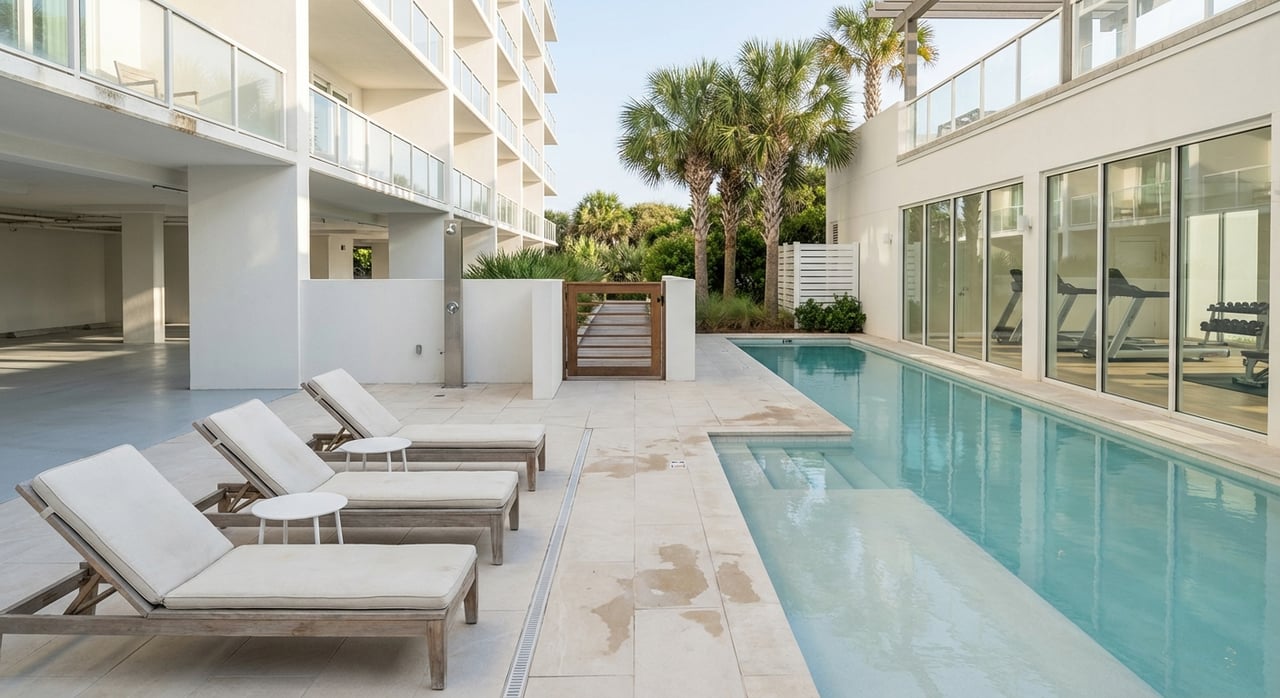
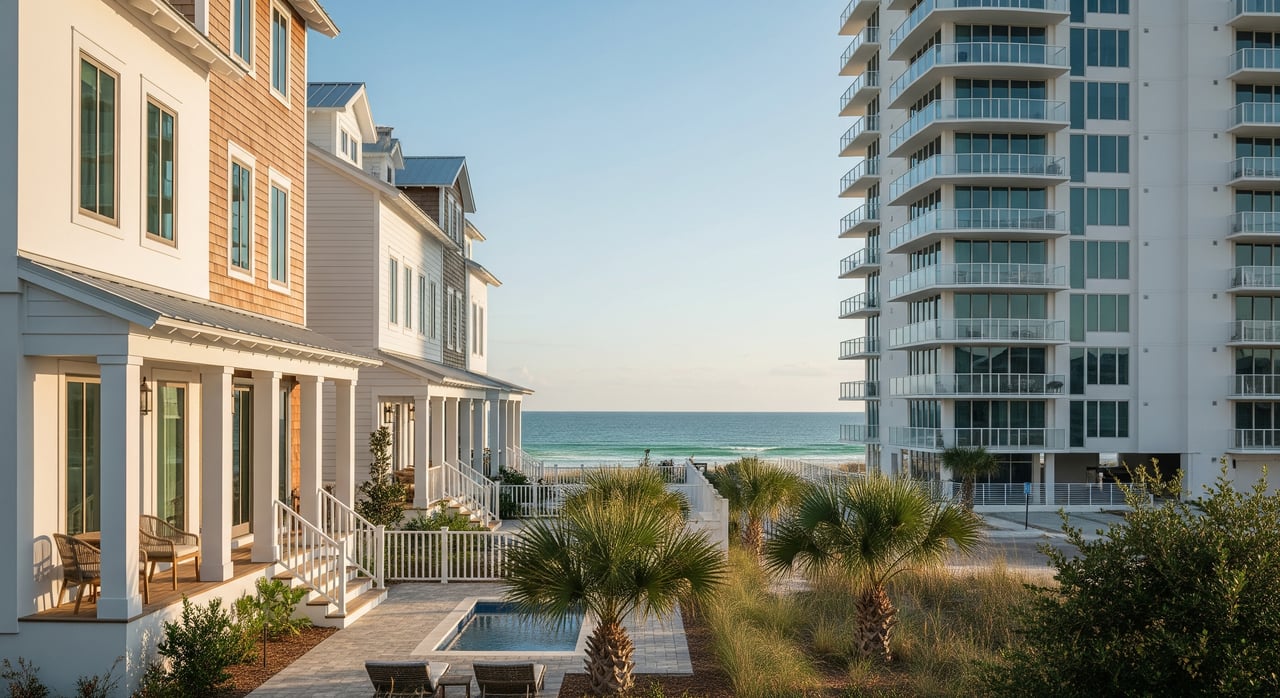
- Amenity draw: Condos win on pools, elevators, and direct beach access. Townhomes win on space and privacy.
- Turnover intensity: Condos near the beach work for weekenders if minimum stays are allowed.
- Long stay families: Townhomes or larger condos with kitchens and laundry perform well.
- Insurance clarity: Townhomes may provide clearer single unit coverage. Condos involve master policy rules and deductibles.
PCB due diligence checklist
Use this checklist before you write an offer.
- Confirm short term rental registration or permits with the City of Panama City Beach and Bay County.
- Verify transient or tourist tax rates, collection, and filing responsibilities.
- Request the full HOA package: CC&Rs, bylaws, financials for 2 to 3 years, reserve study, master insurance policy, current budget, meeting minutes, and rental rules.
- Ask the HOA about the percentage of units used as rentals and any pending rule changes.
- Document any special assessments in the past 5 to 10 years and planned capital projects.
- Get lender pre approval and identify condo project approval requirements if buying a condo.
- Obtain property, wind, and flood insurance quotes. Compare HO 6 vs HO 3 and confirm master policy deductible exposure.
- Review recent utility and maintenance costs for the unit. Include elevator fees or reserve pass throughs if applicable.
- Analyze rental comps for ADR, occupancy by month, minimum stay patterns, and cleaning fees. Use local managers or trusted data providers.
- Evaluate parking, elevator access, and proximity to beach and amenities for your target guest segment.
- Decide on operations: hire a manager or self manage, line up cleaning and linen vendors, and set up maintenance contacts.
Common pitfalls and how to avoid them
- Overlooking HOA rental limits. Read the rental section closely. A minimum stay rule can derail a weekend strategy.
- Underestimating flood and wind costs. Secure quotes early and model deductibles and loss assessment exposure.
- Ignoring special assessment risk. Review reserves, meeting minutes, and recent capital work before committing.
- Rushing staffing for peak season. Book cleaners and linen services months ahead for summer and spring break.
- Weak guest communication. Clear house rules and automated check in messages prevent neighbor complaints and fines.
The bottom line
If you plan to maximize quick weekend bookings with high ADR, a well located condo in a short stay friendly complex is a strong fit. If your goal is family sized, multi week summer bookings with fewer turns, a townhome or larger condo with parking and full amenities can deliver steady results. In PCB, seasonality, HOA rules, flood and wind exposure, and operational readiness are the make or break factors. The right choice is the one that aligns your financing, rules, and amenities with the guests you want to serve.
If you want local guidance that blends investor math with coastal know how, connect with Garrett Bode to explore vetted condo and townhome options that match your plan.
FAQs
What is the main difference for PCB short term rentals
- Condos offer shared amenities and strong weekend appeal but often come with stricter HOA rules and project level financing hurdles. Townhomes offer more space and simpler financing, with rules that vary by community.
How do HOA rules impact Panama City Beach rentals
- HOA documents can set minimum stays, require guest registration, limit the number of rentals, and define parking and pet rules. These factors shape your marketing, pricing, and turnover plan.
What financing hurdles should I expect when buying a PCB condo
- Lenders may require condo project approval that reviews reserves, insurance, litigation, and rental ratios. This can slow the process and increase down payment or rate requirements for investors.
What insurance do I need for a PCB condo or townhome
- Condos typically need an HO 6 policy for interior and contents, plus awareness of master policy deductibles and loss assessment. Townhomes often require an HO 3 style policy covering the structure and contents. Flood insurance is common in both cases.
Which amenities matter most to PCB guests
- Easy beach access, parking, reliable AC, high speed Wi Fi, updated kitchens, in unit laundry, outdoor spaces, beach gear, and secure keyless entry rank high. Elevators can be a deciding factor for some groups.