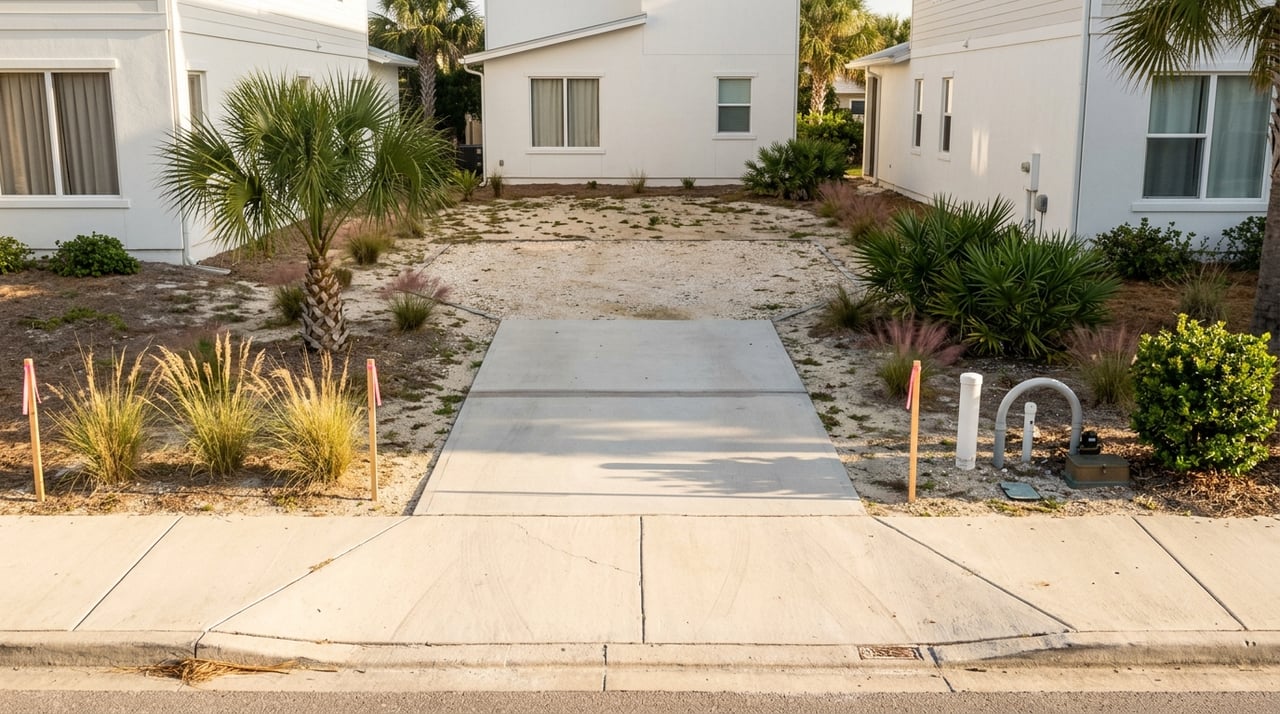
Choosing a lot in Inlet Beach can shape everything that comes next, from what you can build to how you live there day to day. If you are dreaming about a full-time home, a second home, or a coastal investment, it is easy to focus on price, size, or how close the parcel looks to the beach. But in Inlet Beach, the better first move is to understand the lot itself, the neighborhood rules around it, and the site limits that may affect your plans. Let’s dive in.
Start With the Neighborhood Map
Inlet Beach sits on the eastern edge of Walton County between the Gulf of Mexico and Lake Powell. Walton County treats the area as a neighborhood-plan overlay, which means some lots are shaped not only by base zoning but also by added design guidance and planning standards.
That matters because two lots with similar dimensions may not offer the same build options. The county also notes that legally established uses, structures, or parcels that do not fully comply may continue if they are otherwise lawful, so older or nonconforming status can become an important part of your due diligence.
North and South of US 98 Matter
US 98 bisects Inlet Beach, and parcels on either side can differ in access, use, and development intensity. That means you should not assume the same address range supports the same kind of home design, site layout, or long-term use.
Before you fall in love with a listing, look at where the lot sits in the larger neighborhood pattern. A parcel’s location within Inlet Beach can influence what feels practical for your goals, whether you want a primary residence, a second home, or a property with investment potential.
Lake Powell Adds Another Layer
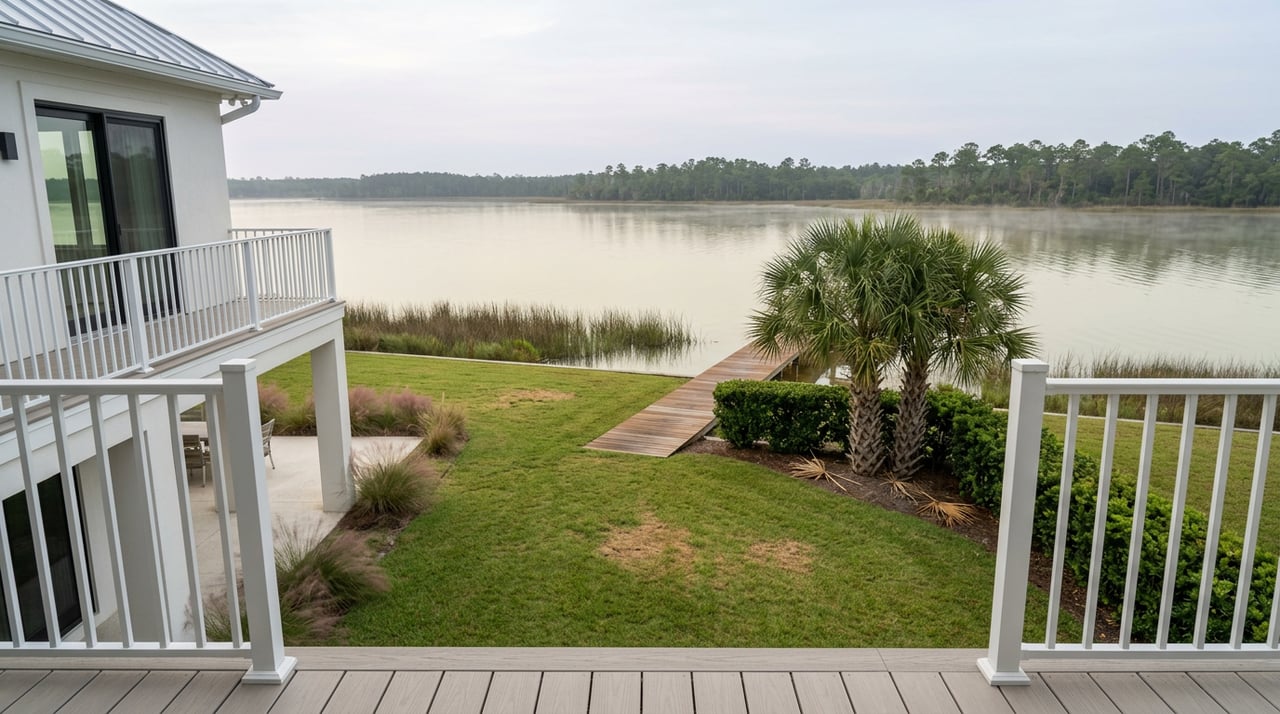
Lots near Lake Powell deserve extra attention. Walton County describes Lake Powell as part of its rare and heavily protected coastal dune lake system, so properties in that area may come with added environmental considerations.
If a lot backs up to water, wetlands, or dune-lake features, treat that as more than a visual bonus. It may affect how and where a home can be placed, what vegetation can stay or be removed, and how much of the parcel is truly usable.
Compare Access and Daily Livability
Beach proximity is a major reason people buy in Inlet Beach, but not every nearby beach access functions the same way. Walton County’s beach access chart identifies multiple access points tied to the area, including Phillips Inlet Beach, Inlet Regional Beach Access East, Central, and West, Wall Street, Winston Lane, Seacrest, Seabreeze, and Gulf Lakes.
The county also shows that amenities vary by access point. Depending on the location, features may include parking, restrooms, ADA access, vendor zones, or event permissions.
Beach Access Is a Real Lot Variable
When you compare lots, look beyond simple distance to the sand. A parcel near an access point with larger parking capacity may feel different from one near a smaller access with no parking.
That does not automatically make one better than another, but it can affect your day-to-day experience. It may also influence how much nearby traffic or parking activity you notice during busy beach periods.
Orientation Still Shapes Comfort
Lot orientation matters in a coastal climate. The U.S. Department of Energy notes that east- and west-facing windows can bring more glare and summer heat, while north-facing openings tend to provide more even light with less unwanted heat gain.
For a beach home, this can affect how outdoor living spaces feel in the afternoon, how bright interior rooms stay throughout the day, and how hard your cooling system may need to work. If you are comparing two otherwise similar lots, orientation can be one of the most practical tie-breakers.
Think About Wind and Outdoor Use
The Department of Energy also notes that wind orientation affects natural ventilation. In a place like Inlet Beach, that can influence how porches, balconies, and outdoor sitting areas perform in real life.
A lot may offer great views on paper, but comfort matters too. When you walk a parcel, think about where you would actually want windows, outdoor seating, and main living areas to be.
Test the Building Envelope Early
One of the biggest mistakes buyers make is assuming that if a lot looks buildable, it will support the exact home they want. Walton County says planning review focuses on the site itself, including building location, height, foundation type, flood-zone requirements, stormwater requirements, and finish-floor elevation.
In short, similar-looking lots can produce very different outcomes once a site plan is reviewed. That is why testing the building envelope early is one of the smartest steps you can take.
Setbacks and Overlay Rules Matter
All structures in unincorporated Walton County must meet county setback requirements. On top of that, the Inlet Beach Neighborhood Plan adds overlay standards for items such as parking location, sidewalks, façade character, density, and accessory structures in certain districts.
Those standards can have a direct effect on design flexibility. If you are considering a narrow infill lot, these details become even more important because every foot of width and depth counts.
Parking and Garage Design Can Affect Feasibility
The Inlet Beach plan favors a walkable, traditional coastal form. Side or rear parking is encouraged, and garage doors should not dominate the front elevation.
That sounds like a design note, but it can also affect what is realistic on a specific parcel. On some lots, especially where the street pattern is older or tighter, driveway layout and on-site parking may become a major part of feasibility.
The plan also states that vehicles parked at a residence must fit within the driveway and not encroach on the sidewalk or right-of-way. If your household needs multiple vehicles, that detail is worth reviewing before you buy.
ADUs and Accessory Structures Need Review
If you hope to add an ADU or detached structure, confirm that plan up front. Walton County says small ADUs under 800 square feet are allowed in many residential districts, but they cannot be separate short-term rentals.
The county also says accessory structures must still meet setback and stormwater rules, and the Inlet Beach Neighborhood Plan may add restrictions of its own. If flexible use is part of your strategy, this is a must-check item.
Watch for Scenic Corridor Review
Some Inlet Beach lots need an added layer of review based on their location. Walton County says C.R. 30A and US 98/331 are designated scenic corridors, and development within the US 98 and 331 corridor requires additional Design Review Board review.
That does not mean you should avoid those properties. It simply means you should factor extra design scrutiny and approval steps into your timeline and planning.
For buyers building a custom or highly styled home, this review process can affect both design choices and project pacing. It is better to know that before closing than after you start sketching plans.
Price the Constraints, Not Just the Lot
In coastal markets, a lot’s sticker price is only part of the story. Environmental protections, flood requirements, and utility questions all play a role in what the parcel is really worth to you.
A lower-priced lot can become more expensive if it requires design changes, extra review, elevation adjustments, or limited use of the site. Looking at constraints early helps you compare lots on a more realistic basis.
Coastal and Environmental Protections
Walton County advises buyers not to clear or alter land before checking with Planning. The county also flags protected coastal features such as coastal dune lakes, wetland buffers, native vegetation, and shoreline-adjacent land.
If a lot is near the beach or around dune-lake features, assume you need careful review. These protections can influence where you build, how much site work is possible, and what approvals may be required.
CCCL Rules Near the Beach
The Florida Department of Environmental Protection regulates construction and excavation seaward of the Coastal Construction Control Line, or CCCL. The program is intended to protect beaches, dunes, public access, vegetation, and sea turtles.
If you are shopping close to the Gulf, ask early whether the lot falls within an area affected by CCCL rules. That answer can shape your design options and timeline in a significant way.
Flood Zones Affect Design and Cost
Walton County says FEMA determines flood-zone category, not the county. The county also notes that building requirements in flood hazard areas can include special elevation, breakaway-wall, floodway, and documentation standards.
For you, that means flood status is not just a box to check. It can affect foundation choices, finish-floor elevation, construction complexity, and overall budget.
Confirm Utility Availability Parcel by Parcel
Do not assume utility service just because nearby homes are already built. Walton County says utility availability should be confirmed on a parcel-by-parcel basis.
The county lists Regional Utilities and South Walton Utility Company as water and sewer providers in the area, while electricity is served by CHELCO and FPL. Regional Utilities also states that its South Walton service area stretches from east of Sandestin to Inlet Beach.
This is one of those practical details that can save you time and frustration. Confirming service early helps you avoid surprises during planning, permitting, or construction.
Use a Simple Lot Selection Checklist
When you compare lots in Inlet Beach, keep your process focused on what will actually affect your project and lifestyle. A simple checklist can help you screen opportunities faster.
Questions To Ask Before You Buy
- Where is the lot located within the Inlet Beach neighborhood plan?
- Is it north or south of US 98?
- Are there any nonconforming or vested conditions that matter?
- How close is it to a beach access point, and what amenities does that access have?
- What is the lot orientation for light, heat, and ventilation?
- What setbacks, overlay standards, and parking rules apply?
- Will the lot support your preferred home size and layout?
- Are ADUs or accessory structures allowed for your intended use?
- Is the parcel near protected dune-lake, wetland, or shoreline features?
- Is it affected by flood-zone standards or CCCL regulation?
- Which utility providers serve the parcel?
- Does the location trigger additional scenic corridor review?
The Best Final Step
Walton County explicitly tells buyers to speak with the Planner on Call before purchasing a lot. The county advises asking about flood zone, wetlands, subdivision-specific requirements, stormwater, and setbacks.
That may be the single best due diligence step you can take in Inlet Beach. It gives you a clearer picture of whether a lot fits your goals before you commit.
If you want help narrowing down lots in Inlet Beach, balancing lifestyle priorities with buildability, or identifying parcels that make sense for a future home or coastal investment, Garrett Bode can help you approach the search with local insight and a clear strategy.
FAQs
What should you check first when choosing a lot in Inlet Beach?
- Start with the neighborhood map and the lot’s location within the Inlet Beach overlay area, including whether it sits north or south of US 98 and whether any nonconforming status may affect future plans.
Why does beach access matter for an Inlet Beach lot?
- Beach access points in and around Inlet Beach offer different amenities, such as parking, restrooms, ADA access, vendor zones, and event permissions, so nearby access can shape convenience and daily activity levels.
How do Walton County rules affect building on an Inlet Beach lot?
- Walton County reviews items like building placement, height, foundation type, flood requirements, stormwater, finish-floor elevation, setbacks, and any overlay standards that apply in the Inlet Beach Neighborhood Plan.
What environmental issues should you review for an Inlet Beach parcel?
- You should review possible impacts from flood zones, coastal dune lake protection, wetlands, native vegetation rules, shoreline-adjacent protections, and any CCCL-related limits if the lot is near the Gulf.
Can you build an ADU on a lot in Inlet Beach?
- Walton County says small ADUs under 800 square feet are allowed in many residential districts, but they cannot be separate short-term rentals and must still meet applicable setback, stormwater, and neighborhood-plan requirements.
Who provides utilities for lots in Inlet Beach?
- Walton County lists Regional Utilities and South Walton Utility Company for water and sewer in the area, while CHELCO and FPL provide electricity, but service should always be confirmed for the specific parcel.