If you have ever loved the idea of a beach house but worried about the upkeep, you are not alone. In Inlet Beach, the same sun, salt air, humidity, and sand that make coastal living so appealing can also be hard on a home. The good news is that smart design can make day-to-day care much easier while still keeping the look polished and coastal. If you are planning to buy, build, renovate, or invest, here is how to think about low-maintenance beach homes in Inlet Beach. Let’s dive in.
Why low-maintenance matters in Inlet Beach
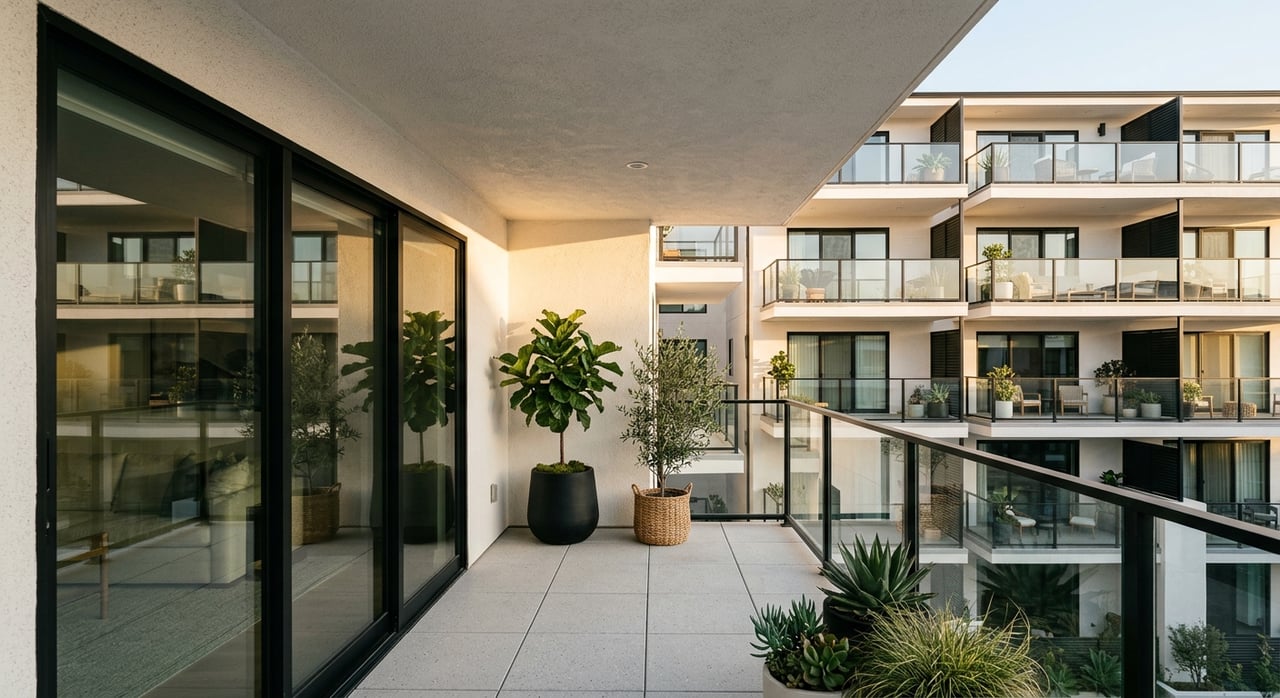
Inlet Beach sits on the eastern edge of Walton County between the Gulf and Lake Powell, with a setting shaped by protected dunes and a coastal neighborhood pattern that supports a mix of residential and commercial uses. The local neighborhood plan also points toward traditional residential character, porch and balcony articulation, and materials like masonry and wood, while discouraging flat roofs.
That means the best homes here usually do two things at once. They fit the local coastal character, and they stand up to real-world beach conditions. For buyers and investors, that balance matters because a beautiful home is only truly appealing if it is also practical to own.
Start with moisture control
In a beach environment, moisture is often the issue that causes the most expensive problems. EPA guidance notes that trapped moisture can lead to mold, rot, structural damage, and premature paint failure.
That is why low-maintenance design starts behind the scenes. Good ventilation, air sealing, and drying potential matter just as much as paint colors or furniture choices. A beach home should be able to handle wet shoes, damp towels, and humid air without turning every cleanup into a major project.
Choose easy-dry surfaces
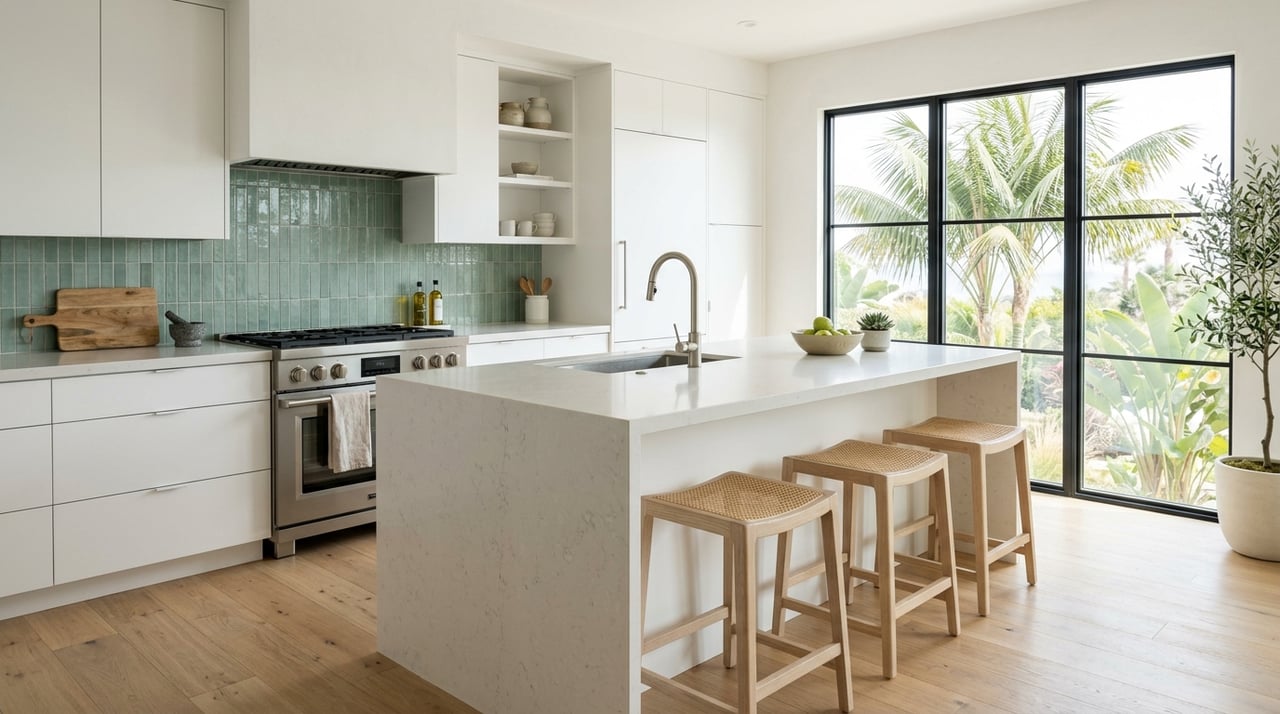
In the areas that take the most wear, simple surfaces are usually the smartest choice. Entries, kitchens, baths, laundry spaces, and lower-level rooms benefit from finishes that can be wiped down, cleaned quickly, and dried fast.
FEMA identifies several flood-resistant materials that can tolerate direct and prolonged contact with floodwater without significant damage. These include concrete, ceramic and clay tile, terrazzo, vinyl and rubber sheet or tile, pressure-treated or decay-resistant lumber, and cold-formed steel. In practical terms, that points many owners toward hard flooring instead of materials that hold moisture.
Keep wall and trim details simple
Beach homes do not need fussy detailing to feel refined. In fact, simplified trim profiles, washable paint, and easy-to-clean built-ins often make more sense in spaces where sand, spills, and moisture are common.
EPA notes that moisture entering wall cavities can contribute to rot and paint failure. A design that is easier to dry and inspect is often easier to maintain over time. That can be especially helpful in mudrooms, laundry areas, bunk spaces, and ground-level living areas.
Pick finishes that can handle coastal wear
A low-maintenance beach house should be designed for the way people actually use it. In Inlet Beach, that means thinking ahead about sandy feet, damp towels, storm prep, and the extra wear that can come with second-home or rental use.
Flooring that works harder
If you want a home that feels effortless, flooring is one of the first places to focus. Hard, wipe-clean surfaces are usually the most forgiving option in high-traffic beach spaces.
Good candidates often include:
- Ceramic or clay tile
- Concrete
- Terrazzo
- Vinyl sheet or tile
- Other hard-surface finishes suited to wet cleanup
These materials are practical not only for everyday messes but also for cleanup after heavy weather or water intrusion. They can help you spend less time worrying about damage and more time enjoying the property.
Be thoughtful with exposed metal
Salt exposure can be tough on exterior materials. EPA disaster-resilience guidance highlights salt-related corrosion as a real coastal hazard, which makes exposed metal an important design consideration.
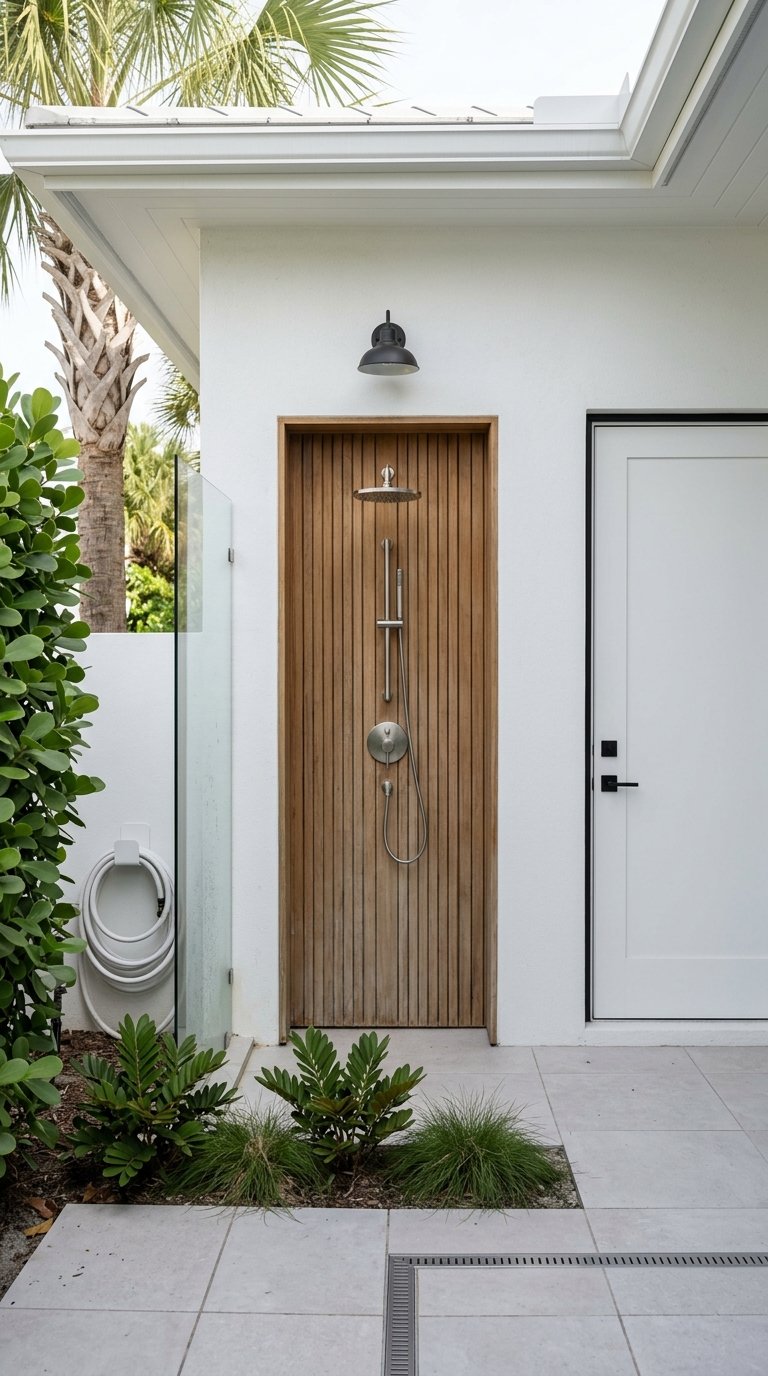
That does not mean avoiding metal entirely. It means treating railings, fasteners, hinges, hardware, and outdoor light fixtures as durability decisions, not just style details. In a place like Inlet Beach, fewer unnecessary exposed metal elements can mean fewer maintenance headaches later.
Design layouts for beach life
The right layout can reduce cleanup almost as much as the right materials. This is especially true in second homes and short-term rental properties, where ease of use affects both daily comfort and turnover efficiency.
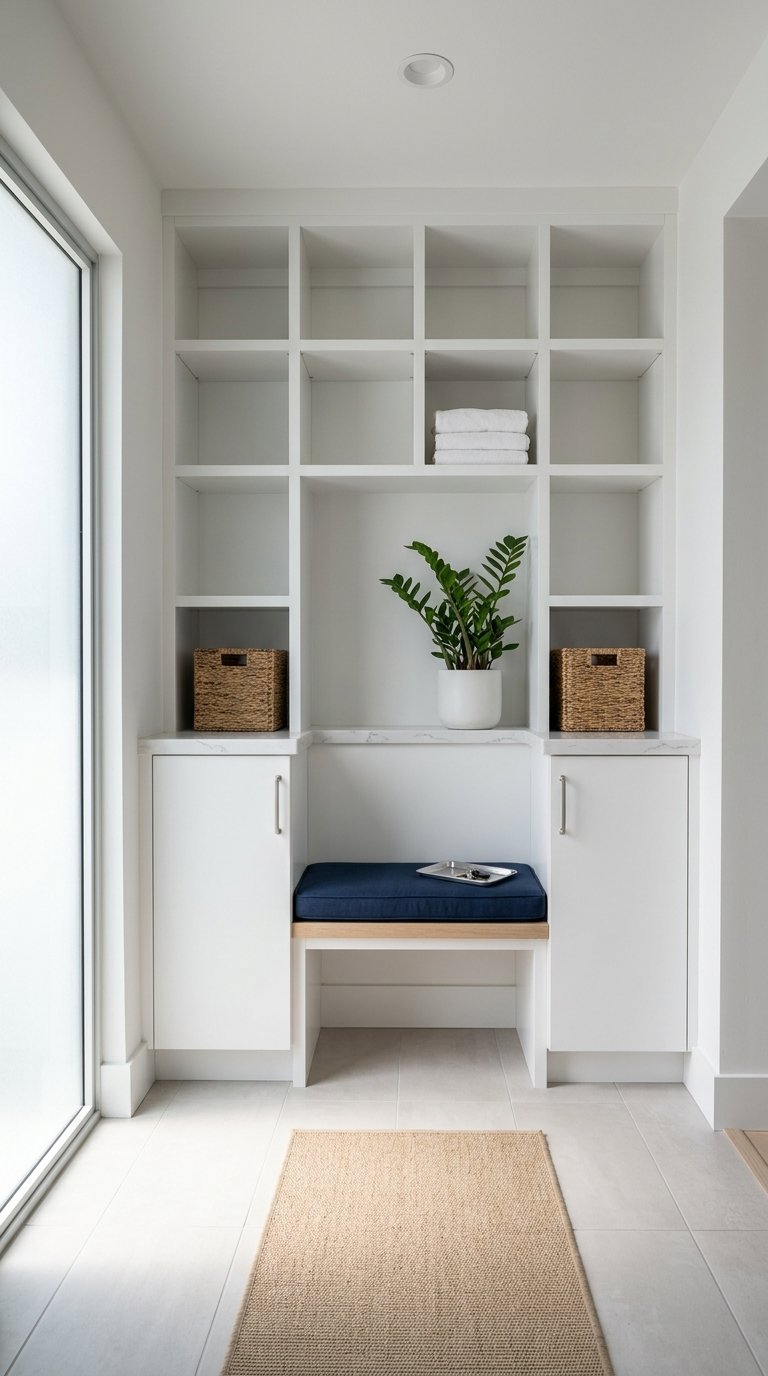
Create a real drop zone
One of the smartest features in a beach home is a clear entry sequence. When people have a dedicated place for shoes, bags, towels, and gear, less sand and moisture get tracked through the rest of the home.
A practical drop zone might include:
- Durable flooring at the entry
- Storage for beach bags and towels
- Hooks for hats or cover-ups
- A bench or seating area for taking off shoes
- Easy access to a laundry or rinse-off area
Even in a polished coastal interior, these functional details can blend in beautifully when they are planned well.
Add hidden owner storage
For second-home owners and investors, hidden storage is one of the most useful design decisions. It helps keep owner items secure, reduces clutter, and makes the home easier to reset between stays.
This matters in Walton County because short-term vacation rentals require annual registration and are tied to standards such as occupancy, parking, and compatibility. A cleaner, simpler floor plan can make the property easier to manage, inspect, and prepare for guests.
Keep furniture arrangements flexible
Low-maintenance design is not just about what you install. It is also about how the rooms function.
Furniture should make it easy to move through the home without carrying sand everywhere. Clear pathways, durable seating near entrances, and layouts that avoid overfilling the room can all help the home feel calmer and easier to maintain.
Use fabrics and furnishings wisely
A beach home can still feel soft and welcoming without relying on delicate materials. The trick is to choose pieces that breathe well, wash easily, and hold up in sun and humidity.
Favor washable textiles
Washable slipcovers, removable cushion covers, and simpler fabrics usually work better than layered, absorbent materials. In a home that may be used by guests, family, or renters, replaceable and easy-care pieces often age better than highly styled ones.
Consumer Reports notes that rugs in humid or subtropical climates may have shorter useful lives, and that rugs without airflow are more likely to mildew. It also notes that UV-treated polypropylene can resist fading and staining, while natural fibers like jute, sisal, and seagrass can trap moisture.
Plan for sun exposure
Bright coastal light is part of what makes Inlet Beach homes so appealing, but it can also wear out interiors. EPA summarizes that UV exposure speeds up the degradation of materials like plastics, rubber, and wood outdoors, and Consumer Reports notes that sunlight can cause fading and discoloration.
That is why fade-resistant fabrics and simpler decorative choices often make more sense in sun-filled rooms. When furnishings can be cleaned, moved, stored, or replaced without redesigning the whole space, the home becomes much easier to manage.
Know the local rules before you design
In Inlet Beach, low-maintenance design is shaped by regulation as much as by taste. Walton County says permit applications submitted after December 31, 2023 must use the 2023 Florida Building Code, and county permit guidance includes separate items for work in flood zones, wind-borne debris regions, and areas seaward of the Coastal Construction Control Line.
Florida’s Coastal Construction Control Line program also regulates structures and activities that may affect erosion, dunes, upland property, or public access. For buyers, sellers, and investors, the takeaway is clear: the easiest home to maintain is usually one that is planned correctly from the start.
Flood-zone details matter
Walton County’s floodplain checklist requires a V-Zone certificate in V Zones and Coastal A Zones. It also requires flood-resistant materials below the base flood elevation plus one foot, along with breakaway construction requirements in those coastal flood areas.
For you, this means finish choices and design decisions should always be made with elevation and flood exposure in mind. A home that anticipates these realities is often less stressful and less costly to maintain after a storm event.
Do not overlook routine upkeep
Even a well-designed beach home still needs a smart maintenance plan. EPA recommends drying wet materials within 24 to 48 hours, keeping indoor humidity below 60 percent if possible, cleaning gutters, and keeping AC drip pans and drain lines clear.
That guidance is especially useful in coastal Florida. If water gets in, the source needs to be fixed first or the problem can return. In that sense, dehumidification, ventilation, and leak response are part of low-maintenance design, not separate from it.
Keep wood details inspectable
Wood can still play an important role in a coastal home, especially given local design character. But in Florida, it is smart to keep decorative woodwork, porch framing, and deck elements easy to inspect.
UF/IFAS says Florida has subterranean, drywood, and dampwood termites, and notes that wood touching soil should be commercially pressure treated. Simple, accessible detailing can make it easier to spot issues early and stay ahead of repairs.
What buyers and investors should look for
If you are shopping for a home in Inlet Beach, low-maintenance design is worth treating as a value feature, not just a style preference. It can affect your ownership costs, your guest experience, and how well the property holds up over time.
Look for homes with:
- Durable hard-surface flooring in high-traffic areas
- Clear drop zones near entries
- Washable finishes and easy-clean trim
- Flexible, uncluttered layouts
- Smart storage for owners and guests
- Materials chosen with flood exposure in mind
- Designs that support inspection, drying, and repair
For sellers, these same qualities can make a property more appealing to both lifestyle buyers and rental-minded investors. A home that looks polished and feels easy to care for often stands out for the right reasons.
Low-maintenance beach design is really about making coastal living feel better, not more complicated. In Inlet Beach, the best homes respect the setting, follow the local framework, and use smart materials and layouts to reduce stress over time. If you are weighing a purchase, prepping a property for sale, or searching for a rental-ready investment, Garrett Bode can help you evaluate which homes are built for both beauty and everyday ease.
FAQs
What flooring works best in an Inlet Beach home?
- Hard, easy-clean surfaces like ceramic tile, clay tile, concrete, terrazzo, and certain vinyl products are often practical choices because FEMA identifies them as flood-resistant materials.
What fabrics are easier to maintain in a humid coastal house?
- Washable slipcovers, removable cushion covers, and fade-resistant synthetic textiles are often easier to manage than moisture-trapping natural fibers or heavily layered fabrics.
What layout features help a beach home stay cleaner?
- A clear entry drop zone, durable flooring near entrances, nearby laundry access, hidden owner storage, and simple room layouts can all help reduce sand and clutter.
What local rules matter for beach-home design in Inlet Beach?
- Walton County permit rules, flood-zone requirements, the 2023 Florida Building Code, and Florida Coastal Construction Control Line standards can all shape how a home is designed or updated.
Why is moisture control so important in an Inlet Beach house?
- EPA guidance notes that trapped moisture can lead to mold, rot, structural damage, and paint failure, so ventilation, drying, and quick leak response are key parts of long-term maintenance.