If you are trying to choose between Inlet Beach and Panama City Beach for a rental property, the right answer depends less on which market is "better" and more on which market fits your goals. Some buyers want a quieter 30A-style setting with a lower-scale feel, while others want a larger, more active market with broader guest traffic and more high-density inventory. This guide will help you compare the two through the lens of rental buyers, so you can make a smarter decision with clearer expectations. Let’s dive in.
Inlet Beach vs Panama City Beach
Both markets sit on the Gulf and attract vacation renters, but they function very differently.
Inlet Beach is on the eastern edge of South Walton and marks the first of South Walton’s 16 beach neighborhoods. Official local sources describe it as a classic beach town with cottages on side streets, a mix of homes and attached product types, and the area’s largest regional beach access. Planning documents also place it on the Walton and Bay County line, with an emphasis on traditional neighborhood design plus pedestrian and bicycle connections.
Panama City Beach is a much larger city market. The city states that it stretches 13 miles along the Gulf, covers 19.5 square miles, and has more than 19,000 residents along with millions of annual visitors. That scale alone changes the rental conversation, because you are looking at a market built to serve a much broader volume of travelers.
Property Type Differences
For many rental buyers, inventory style is the first major dividing line.
Inlet Beach inventory
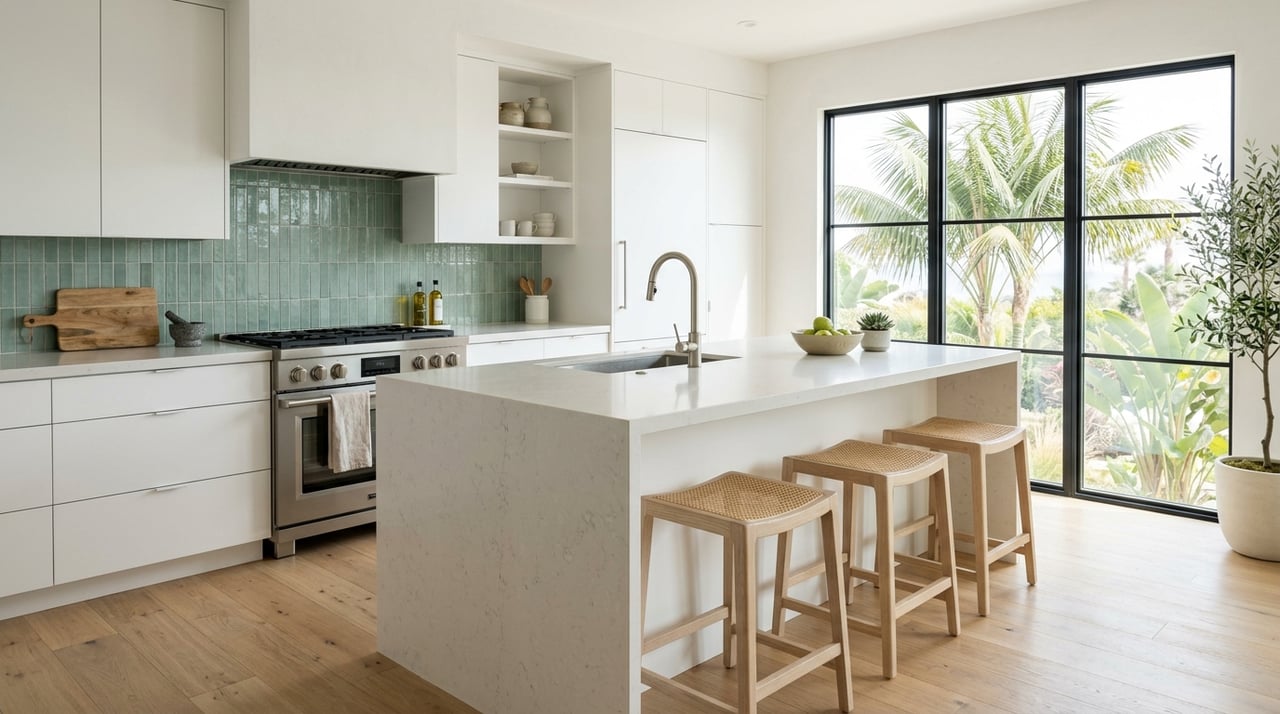
Inlet Beach tends to offer a lower-scale mix of classic beach cottages, well-appointed homes, condos, townhomes, and villas. South Walton materials also note that beachfront construction heights are limited along the 30A corridor, which prevents high-rise construction in this part of the coast. In practical terms, that creates a more village-like setting and a more boutique feel for guests.
If you are shopping for a property that feels tied to the neighborhood rather than a large tower environment, Inlet Beach will likely feel more aligned. That can appeal to buyers who want lifestyle value and rental appeal in the same asset.
Panama City Beach inventory
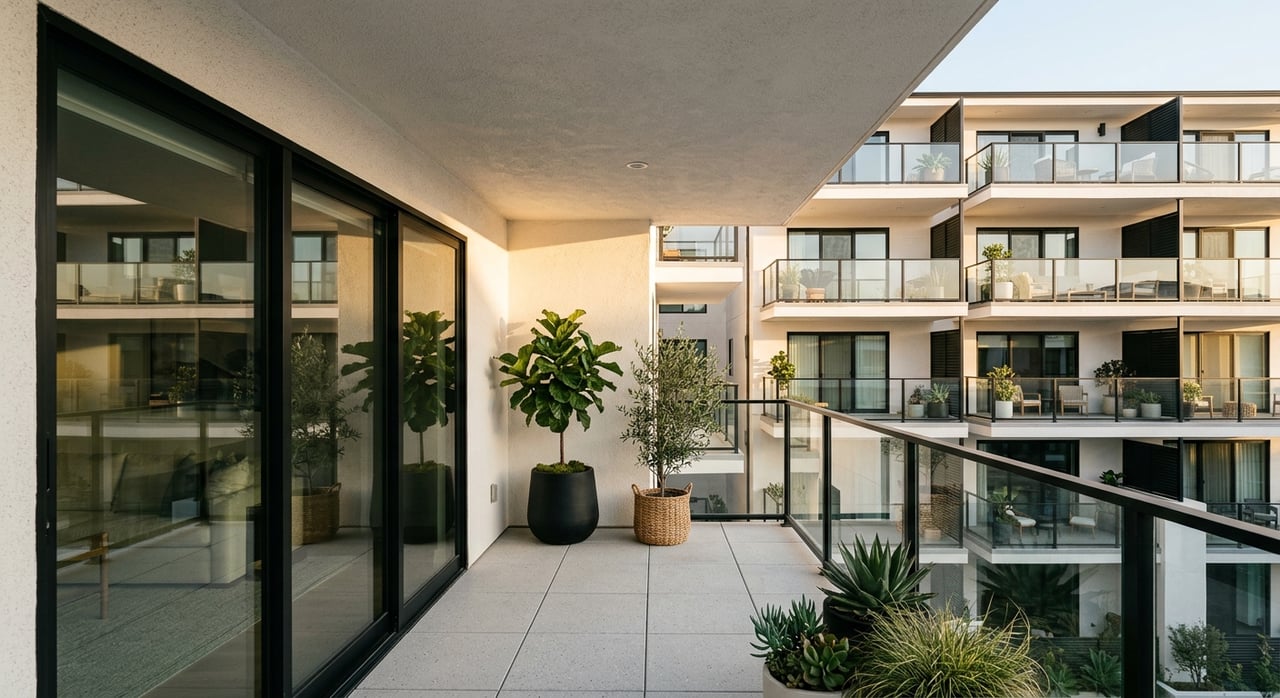
Panama City Beach supports a wider and denser range of building types. The city’s short-term rental rules apply to condos, cooperatives, and single-family through four-family dwellings, and its building department specifically references structures ranging from sheds to high-rise condominiums. Zoning materials also highlight density and intensity standards across key corridors.
For rental buyers, that usually means more large condo inventory, more high-rise options, and a broader spread of price points and operating models. If you want to compare many units in similar buildings or focus on a more volume-oriented condo strategy, Panama City Beach often gives you more choices.
Beach Access Experience
Beach access matters because it shapes guest convenience, arrival patterns, and the overall feel of a stay.
Inlet Beach access pattern
Inlet Beach access is centered around one major regional access point plus several smaller neighborhood entries. The regional access at 303 West Park Place Avenue includes seasonal lifeguards, a beach conditions flag, ADA restrooms, an ADA boardwalk, ADA parking, a water fountain, and beach wheelchairs. Walton County also shows that several neighborhood accesses in Inlet Beach have no parking.
That setup supports a more walkable and bike-friendly beach experience. It also tends to create a quieter arrival pattern compared with markets built around heavier public parking and larger visitor flows.
Panama City Beach access pattern
Panama City Beach has a much broader public access network. Local tourism information says Bay County maintains 96 public access points, with four public parking areas, and the city notes that it maintains and repairs access points from 24 through 76B. Several access points also include bike racks.
For guests, this creates a more distributed and auto-accessible beach system. For owners, that can support broader visitor flow and easier access across a larger area, but it also comes with a busier, higher-volume beach environment.
Guest Profile and Rental Positioning
The best rental market for you often comes down to the type of guest you want to attract.
Inlet Beach guest appeal
Visit South Walton positions Inlet Beach around shopping, spa experiences, tranquility, food, family travel, and water sports. The area also highlights paddleboarding, kayaking, snorkeling reefs, yoga, boutiques, bonfires, and laid-back dining. Taken together, that points to a rental environment that often appeals to families, couples, and second-home style guests looking for a quieter coastal stay.
If your strategy leans toward a design-forward property with a premium neighborhood feel, Inlet Beach may fit your approach. It can be especially appealing if you want your rental story to center on atmosphere, walkability, and a more relaxed 30A experience.
Panama City Beach guest appeal
Panama City Beach is positioned much more broadly. The city describes a market serving young families, beachgoers, early retirees, and outdoor adventurers, and it highlights features like trail systems, a sports and aquatics complex, fishing piers, and Conservation Park acreage.
That kind of destination mix usually supports a wider guest funnel. If you are looking for a market with more activity-driven demand and a more volume-oriented rental profile, Panama City Beach may line up better with that objective.
Regulations and Due Diligence
For rental buyers, compliance is not a side issue. It needs to be part of your underwriting from the start.
Inlet Beach short-term rental rules
Inlet Beach falls under Walton County’s vacation rental framework. Walton County requires short-term vacation rentals to register annually, and the county states that the current fee schedule changed on February 2, 2026. The county lists initial and annual registration at $300 per individual property, community registrations at $227, and operation without registration at $500 per day.
Before you buy, you should confirm whether the property is currently registered, when that registration expires, and what the operating history looks like. That helps you avoid surprises after closing.
Panama City Beach short-term rental rules
Panama City Beach uses a city-based certificate system for vacation rentals. The city states that all vacation rentals must have a valid Vacation Rental Certificate, with re-registration and annual reinspection required. New applicants must also provide proof of a DBPR license, Bay County TDC or TDT registration, and a local business tax receipt.
The city’s published fees list $250 for new registration, $150 for re-registration, and $75 for reinspection. If you are comparing opportunities in this market, make sure the property is actually within Panama City Beach city limits because nearby unincorporated Bay County is governed separately.
Why parcel location matters
This is especially important near the county line. Inlet Beach sits within Walton County’s framework, but the neighborhood plan reaches the Walton and Bay County line. That means exact parcel location should be confirmed before you project compliance steps, registration costs, or rental operations.
A home that feels close to one market may fall under a different jurisdiction entirely. For investors, that detail can affect timelines, costs, and assumptions.
Which Market Fits Your Goals?
Neither market is automatically the better buy. The better choice is the one that matches your strategy, preferred asset type, and guest positioning.
Inlet Beach may fit you if
- You want a quieter, more neighborhood-oriented setting
- You prefer cottages, homes, townhomes, villas, or boutique-style condos
- You value walkability, bike connections, and a lower-scale beach experience
- You want to position a rental around a premium 30A lifestyle feel
- You are drawn to a more design-forward, village-style environment
Panama City Beach may fit you if
- You want a larger market with broader visitor volume
- You prefer more condo inventory and high-rise options
- You want a more amenity-rich, activity-driven guest profile
- You are comfortable evaluating denser, more varied building stock
- You want a market with a more volume-oriented rental setup
A Smart Way to Compare Deals
When you compare Inlet Beach and Panama City Beach, focus on more than the headline price.
Look at the property type, guest experience, beach access pattern, and regulatory path. A condo in a large Panama City Beach tower may operate very differently from a boutique Inlet Beach property, even if both sit near the Gulf.
You should also test whether the property’s physical form matches your intended rental story. Inlet Beach may support a more curated, lifestyle-first positioning, while Panama City Beach may support broader appeal and higher-volume guest traffic.
The goal is not to force one market into the mold of the other. The goal is to choose the market where your property and your rental strategy naturally fit together.
If you want help comparing specific properties in Inlet Beach or Panama City Beach, Garrett Bode can help you evaluate inventory, location, and rental positioning with a local, investor-aware lens.
FAQs
What is the main difference between Inlet Beach and Panama City Beach for rental buyers?
- Inlet Beach offers a quieter, lower-scale 30A setting with cottages, homes, and boutique-style attached inventory, while Panama City Beach is a larger, denser market with broader visitor volume and more condo and high-rise options.
What types of rental properties are common in Inlet Beach?
- Inlet Beach commonly includes classic beach cottages, homes, condos, townhomes, and villas, with local planning and height limits contributing to a lower-scale built environment.
What types of rental properties are common in Panama City Beach?
- Panama City Beach includes condos, cooperatives, single-family through four-family dwellings, and high-rise condominium inventory within a larger and denser city market.
How does beach access differ between Inlet Beach and Panama City Beach?
- Inlet Beach is centered around one major regional access plus smaller neighborhood accesses, several without parking, while Panama City Beach has a broad network of public access points and parking areas that support a more distributed, auto-accessible beach experience.
Does Inlet Beach require short-term rental registration?
- Yes. Walton County requires annual vacation rental registration, with current listed fees of $300 per individual property and penalties for operating without registration.
Does Panama City Beach require short-term rental registration?
- Yes. Properties within Panama City Beach city limits need a valid Vacation Rental Certificate, along with re-registration, annual reinspection, and supporting registrations and local licensing documents.
Why does jurisdiction matter near Inlet Beach and Panama City Beach?
- Jurisdiction affects registration rules, fees, and compliance steps, and properties near the Walton and Bay County line should be checked carefully because nearby parcels may fall under different local frameworks.