Cutting a quick path over the dunes might feel harmless, but those sandy ridges are your property’s first line of defense. If you own, rent, or visit a home in Inlet Beach, those dunes protect the shoreline, reduce storm damage, and support sea turtles and shorebirds. In this guide, you’ll learn why walkovers matter, what shortcuts actually do, and simple ways to protect the coast and your investment. Let’s dive in.
Why dunes matter in Inlet Beach
Dunes are not just a pretty backdrop. They absorb wave energy and storm surge, which helps reduce overwash and inland flooding during storms. Healthy dunes trap and store sand so the beach can recover after rough weather.
Dune vegetation anchors sand and stabilizes the shoreline over time. When dunes stay intact, the beach profile stays healthier and more resilient. When they are lost or weakened, the shoreline retreats faster and needs more frequent and costly restoration.
Dunes also support specialized plants and nesting wildlife, including sea turtles and shorebirds in Walton County. When dune areas are disturbed, nest sites shrink and predators can find nests more easily.
For property owners and investors, dunes are a protective asset. Healthy dune systems can reduce storm-related repairs and maintain the appeal of beachfront living, which supports long-term property values.
What shortcuts really do
A single shortcut across a dune can trigger a chain of damage. Foot traffic crushes dune grasses and their roots, which weakens the structure and stops sand from building up.
Repeated steps carve out low spots called blowouts. Wind and waves exploit these openings and funnel sand out of the dune, widening the breach during storms.
Once vegetation is broken, recovery slows down. Without plants to trap sand, the dune struggles to rebuild during calm periods. Wildlife habitat also suffers when these gaps expand.
As damage grows, communities face higher costs for fencing, replanting, and restoration projects. That pressure can lead to more rules and engineering along the beach.
Why walkovers work
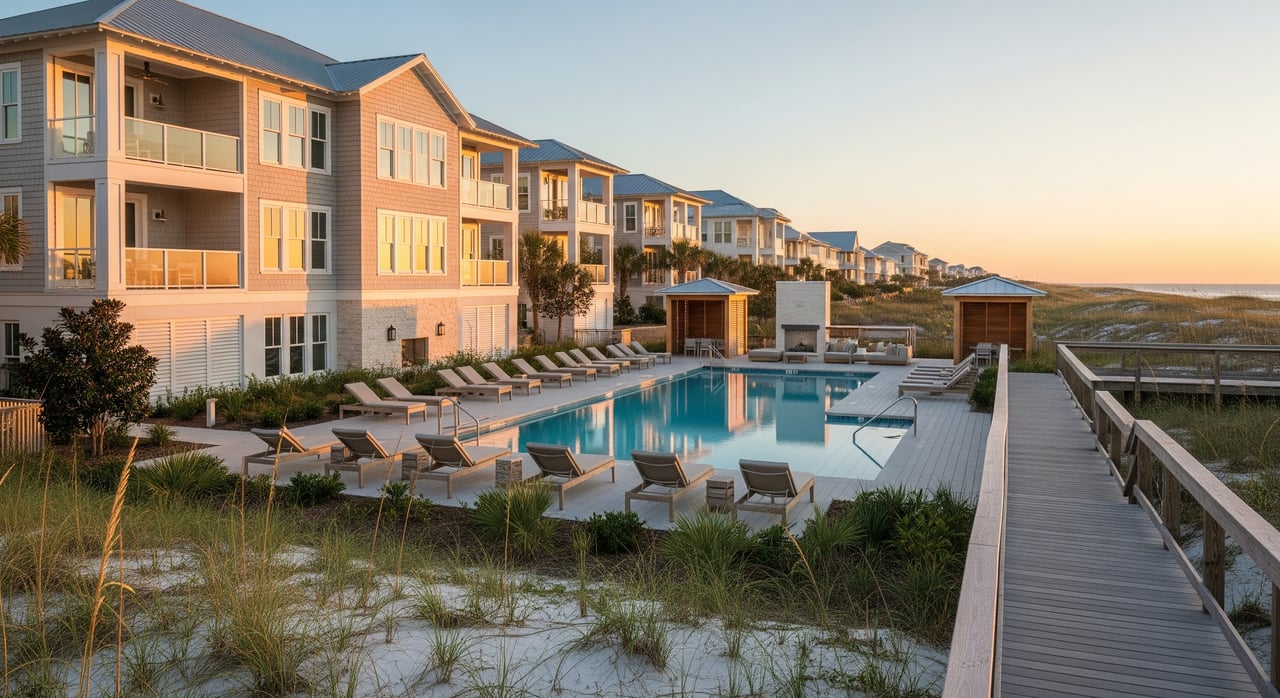
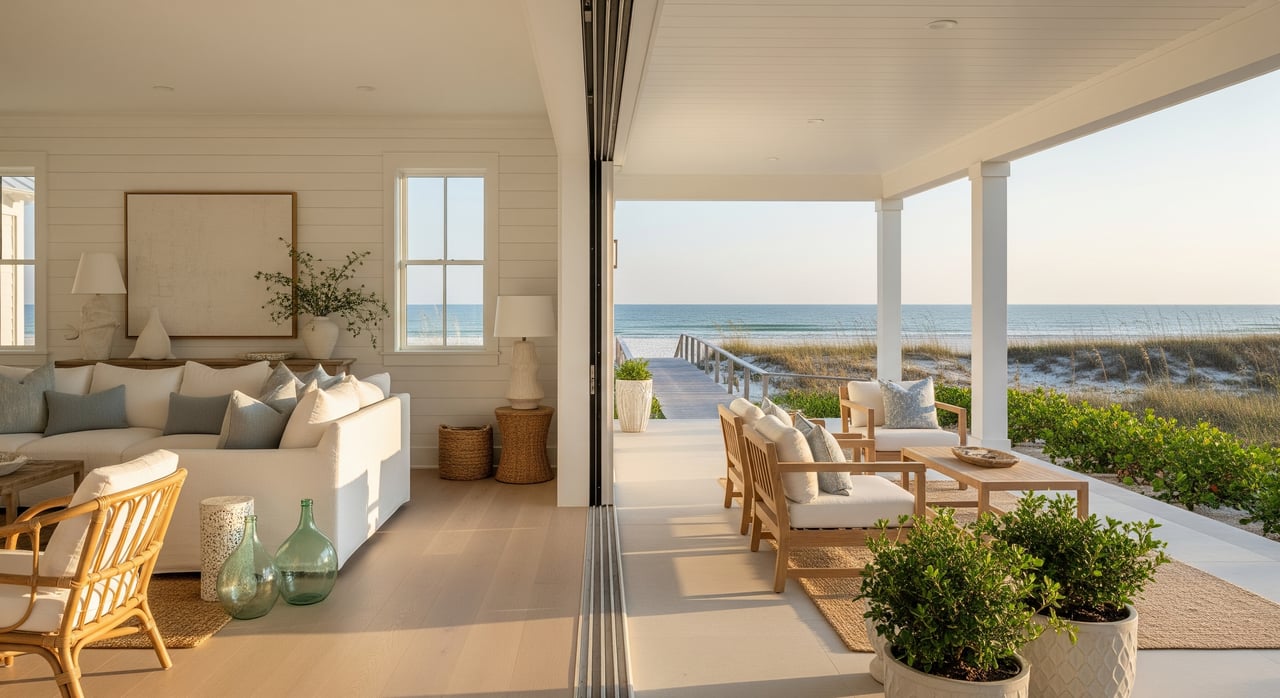
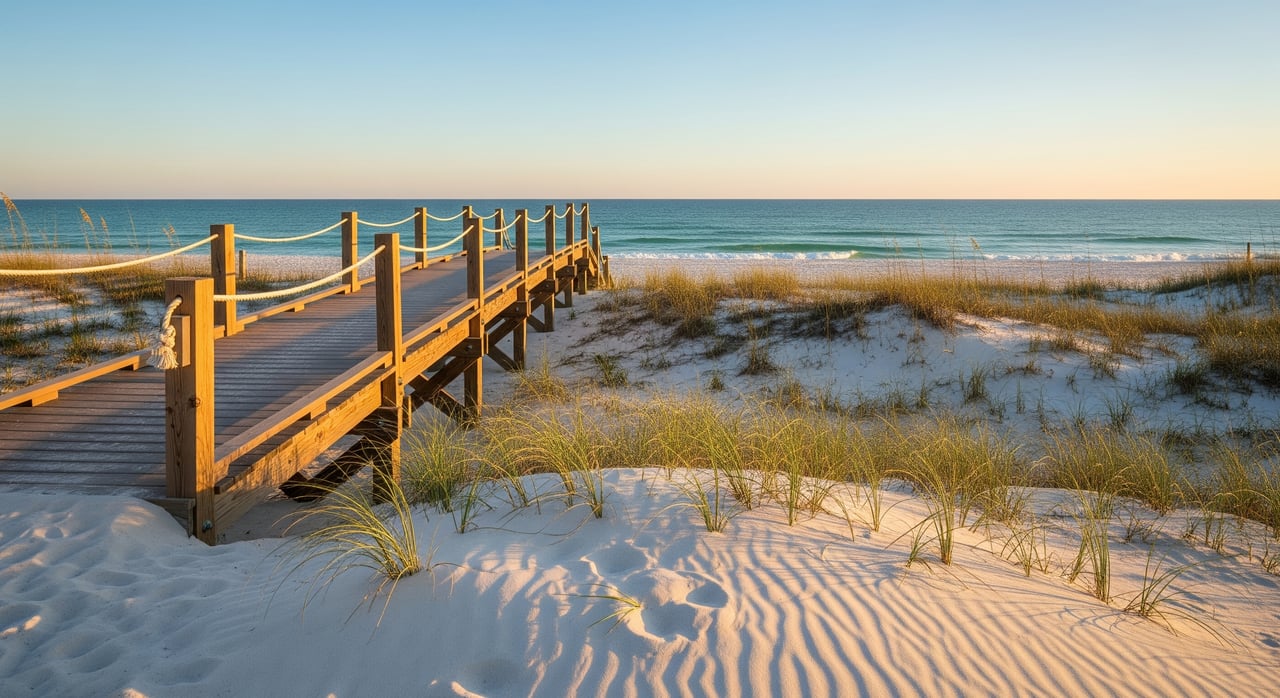
Walkovers and boardwalks guide people to the beach without touching the dune. These elevated structures concentrate foot traffic and protect vegetation, which keeps dunes stable and strong.
In Walton County, public beach accesses often include signage and boardwalks. Private properties commonly install walkovers to meet coastal rules and reduce damage to vegetation and sand.
Using the designated path is the simplest way to keep the dune doing its job for the entire community.
Owner playbook: Protect your dunes
Use these practical steps to prevent shortcuts and keep the dune intact on and around your property.
1) Always use the walkover
- Direct everyone to the designated walkover or established path. Even if the shortcut looks faster, it harms vegetation and weakens the dune.
- Add a small sign that points to the walkover. A clear nudge beats policing.
2) Set expectations for guests
- Include dune guidance in your rental rules and pre-arrival messages. A short note like “Please use the walkover. Dunes are fragile and protected” goes a long way.
- Add a reminder to fridge cards or house binders. Keep it friendly and specific.
3) Channel foot traffic
- Use low-impact landscaping or simple fencing to steer guests toward the boardwalk.
- Keep gates and exit points aligned with the walkover, not the dune.
4) Keep pets, bikes, and vehicles off dunes
- Pets running loose and bikes create and widen trails through vegetation.
- Vehicles and ATVs are not appropriate for dune areas and can cause major damage.
5) Minimize nighttime impacts
- Limit nighttime dune crossings and avoid bright beachfront lighting that can disorient nesting sea turtles. Use fixtures approved for turtle-friendly lighting during nesting season.
6) If you own a walkover
- Check whether permits apply for new builds, repairs, or replacement. Coastal construction commonly falls under state and county review.
- Use materials and designs that meet local standards. Coordinate with the county or state programs to stay compliant.
7) If you see damage
- Report significant blowouts, unauthorized vehicle tracks, or vandalized fencing to Walton County beach services or code enforcement so repairs can be coordinated.
- Do not rush to replant or reshape disturbed areas. Planting or repair can require permits, and the wrong approach can make recovery harder.
8) Support restoration
- Volunteer for dune planting or fencing events led by local groups or property-owner associations.
- Support funding for dune restoration or nourishment when proposed at the local level.
For investors and second‑home buyers
If you are investing in a rental-ready condo or a Gulf-front home near Inlet Beach, dune health affects both risk and return. Strong dunes can reduce the extent of storm repairs, help maintain beach width and aesthetics, and sustain rental demand.
Properties near well-maintained dune systems often face fewer disruptions after storms. Over time, that stability can protect your cash flow and help preserve resale value.
How dunes support property value
- They reduce storm impacts. Dunes absorb wave energy and can limit flooding reach during strong weather, which helps protect structures and infrastructure.
- They store sand between storms. This natural storage helps beaches recover faster without immediate engineering.
- They preserve the beach experience. Stable, vegetated dunes maintain a coastal look and feel that renters and buyers value.
- They reduce the frequency of costly fixes. Rebuilding dunes, installing hard armoring, or frequent nourishment can be expensive for communities and owners.
Local roles and rules, in plain language
- Florida’s Coastal Construction Control Line program guides what can be built, repaired, or replaced near the beach. Many walkovers and dune projects require compliance.
- Walton County manages public accesses, walkovers, beach services, and restoration projects at the local level. County programs also support fencing and dune plantings.
- Sea turtle protections, often coordinated with state wildlife officials, limit lighting and activity around nests, especially in spring and summer.
If you plan any work near the dune, check with county offices or state coastal programs before you begin. Permits and simple compliance steps help you avoid delays and protect the shoreline.
A simple checklist to post at your property
- Use the walkover, never cut across dunes.
- Keep pets and bikes off dune vegetation.
- Respect fenced or roped areas near dunes and nests.
- Limit beachfront lighting during nesting season and use turtle-friendly fixtures.
- Report significant dune damage to county beach services.
- Ask about permits before you repair or replace a walkover.
Small choices, big coastal impact
Every step counts on a living dune. When you and your guests choose the walkover, you help the beach rebound after storms, support nesting wildlife, and protect the value of coastal properties in Inlet Beach. It is a simple habit that keeps the shoreline strong for everyone.
If you want guidance on beachfront ownership, rentals, or stewardship in Inlet Beach and the wider Emerald Coast, connect with Bode at the Beach. Our team pairs local legacy with investor-smart strategy so you can enjoy the beach today and protect it for tomorrow.
FAQs
Why using walkovers in Inlet Beach protects dunes
- Walkovers prevent trampling of dune vegetation, reduce blowouts, and help dunes store sand so the shoreline can recover after storms.
How shortcuts damage dunes over time
- Foot traffic crushes plants and roots, which weakens the dune and creates gaps that let wind and waves remove sand faster.
Who manages dune rules in Walton County
- Walton County oversees public accesses and enforcement with support from state programs; wildlife protections involve coordination with state wildlife officials.
What owners should do if they see dune damage
- Report major blowouts, vehicle tracks, or vandalized fencing to county beach services or code enforcement and wait for guidance before attempting repairs.
Whether private walkovers need permits in Florida
- Many coastal projects, including walkovers, fall within regulated zones and can require permits, so check with county or state coastal programs before building or repairing.